


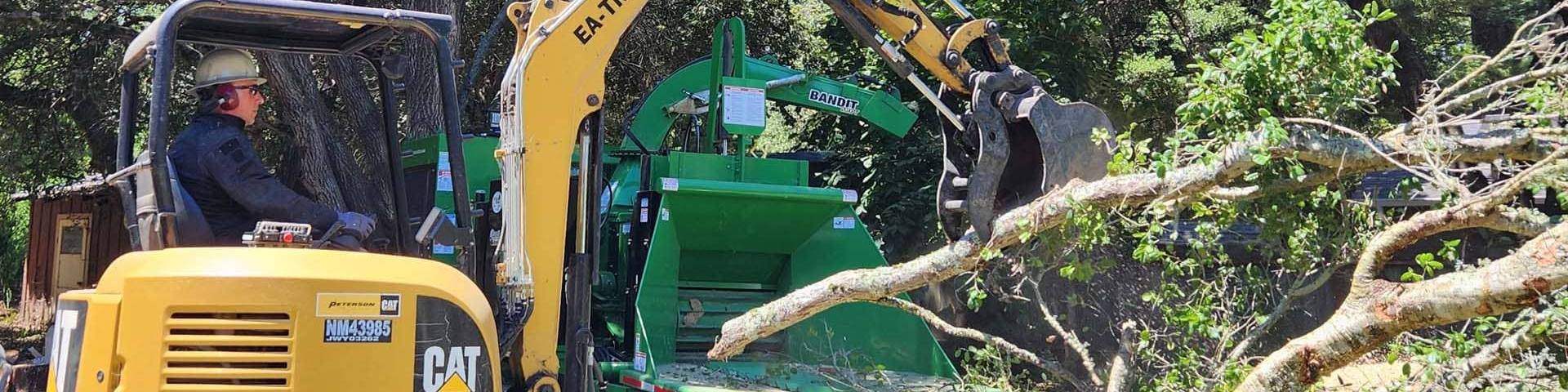
Insurance-Required Tree Work in Sonoma County
Received a notice from your insurance provider? EA Tree completes insurance-required tree removals and trimming throughout Sonoma County. Licensed & insured with 35+ years of experience.
Get A Free Quote Same Day
Insurance companies in California have been dropping or threatening to cancel homeowner policies over tree-related risks, and properties in Sebastopol and Santa Rosa are no exception. If you have received an inspection report or letter requiring tree removals, trimming, or roof clearance as a condition of continued coverage, you are working against a deadline. EA Tree handles insurance-required tree work for homeowners throughout Sonoma County. We review the scope outlined in your report, complete the work to the required standard, and provide written documentation once the job is finished. Call us today and we will get you scheduled quickly.
Understanding Insurance-Required Tree Work
Why Insurers Flag Trees
Insurance providers conduct aerial or in-person inspections and flag trees they consider a risk to the insured structure. The most common conditions they cite include large limbs overhanging or contacting the roofline, trees leaning toward the home, dead or structurally compromised trees within falling distance of structures, and insufficient clearance between the canopy and roof. These are not aesthetic concerns. Insurers view them as direct liability, and many are now issuing cancellation notices when required work is not completed within a set window.
What Happens If You Miss the Deadline
Missing an insurance-required tree work deadline can result in policy non-renewal or outright cancellation. In California's current insurance market, losing coverage is not a minor inconvenience — finding a replacement policy has become increasingly difficult and expensive for many Sonoma County homeowners. Some insurers will grant an extension if they receive confirmation that work is scheduled, but that window is narrow. The sooner the work is completed and documented, the better your position when communicating with your provider.
How We Handle Insurance Requests
You do not need to translate the insurance report for us. We read inspection letters and reports regularly and understand what insurers are looking for. We confirm the required scope with you during the estimate, complete the specified work, and provide written documentation of what was done. If anything in the report is unclear or seems broader than necessary, we will discuss it with you before work begins so there are no surprises.
Common Types of Insurance-Required Tree Work
Roof Clearance and Limb Removal
Overhanging limbs are among the most frequently cited conditions in insurance inspections. Branches that contact or hang directly above a roofline can cause physical damage, accelerate wear on roofing materials, and create entry points for moisture and pests. We remove the identified limbs, establish the clearance specified in the report, and document the completed work. Roof clearance jobs are often straightforward and can be completed quickly once scheduled.
Removal of Hazardous or High-Risk Trees
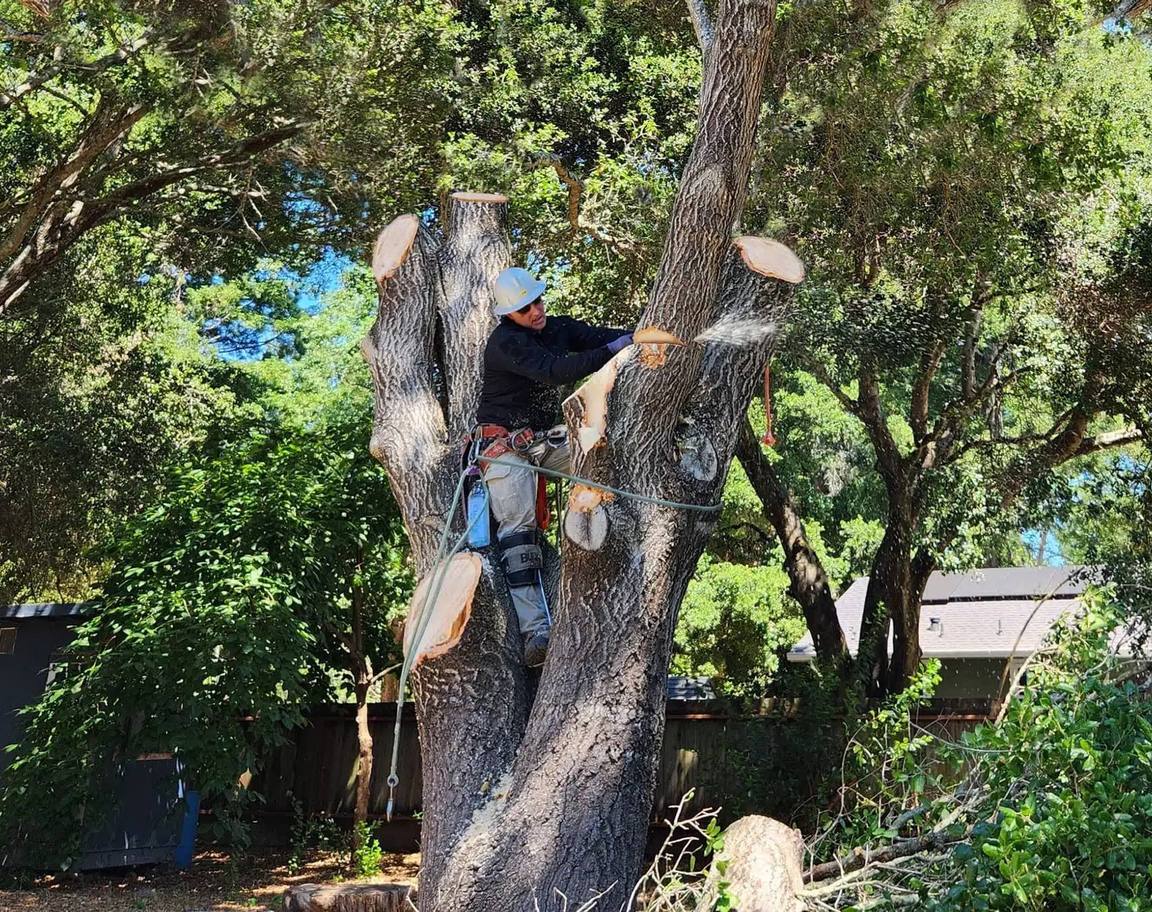
When an insurer requires a full tree removal, the tree has typically been identified as a fall risk to the structure due to lean, visible decay, root failure, or proximity. We remove trees identified in inspection reports safely and in a controlled manner regardless of size, access, or surroundings. Cleanup and stump grinding are available as part of the same visit.
Dead Tree and Deadwood Removal
Dead trees and large dead limbs are high-priority items on most insurance inspection lists. A dead tree within striking distance of a structure is a predictable liability, and insurers are unlikely to renew a policy while one remains in place. We remove dead trees and address significant deadwood from living trees as required. This work resolves the insurer's concern while often improving conditions for surrounding trees as well.
Fire Clearance and Defensible Space Compliance
In Sonoma County, insurance inspections frequently overlap with fire clearance requirements. Many of the same conditions that concern fire officials — dead vegetation, branches near rooflines, dense canopy contact with structures — are also flagged by insurers. If your notice includes fire clearance language or references California defensible space zones, we are familiar with those standards and can complete the work accordingly.
Our Process for Insurance Tree Work
Step One: Review the Report and Estimate
Bring your inspection letter or report to the estimate visit. We walk through it with you, identify each required item, and confirm the scope before any work is priced or scheduled. If the report is vague about specific trees or locations, we assess the property and apply the interpretation insurers typically expect.
Step Two: Complete the Work
Once the scope is agreed upon, we schedule and complete the job. Trees are removed or trimmed to the required standard, work is performed safely with attention to the surrounding property, and debris is cleared as part of the process. Stump grinding is handled in the same visit when requested.
Step Three: Documentation
After the job is complete, we provide written documentation of the work performed. This typically includes a description of what was done, the date of completion, and confirmation that the work was carried out by a licensed and insured contractor. We recommend confirming with your insurance provider what format or detail they require before we finalize the documentation.
Questions? Reach Out Directly
If you have received an insurance notice and are not sure where to start, give us a call at or Click To Email. We will walk you through what is typically required, answer your questions, and get an estimate scheduled as quickly as possible.
FAQs About Insurance Tree Work in Sonoma County
What Is Insurance-Required Tree Work?
It refers to tree removals, trimming, or clearance tasks that an insurance provider has identified as conditions for maintaining or renewing coverage, typically outlined in an inspection report or letter with a completion deadline.
Why Is My Insurance Company Requiring Tree Work?
Insurers flag trees that represent a risk to the insured structure. Common reasons include overhanging limbs, leaning trunks, dead trees near the home, and insufficient clearance between the canopy and roofline. These are viewed as direct liability and potential sources of future claims.
Do You Provide Documentation After Completing Insurance Tree Work?
Yes. We provide written documentation of what was completed once the job is finished. We recommend confirming with your insurer what specific format or detail they require before work begins so the documentation meets their standard.
What Happens If I Miss The Insurance Deadline For Tree Work?
Missing the deadline can result in policy cancellation or non-renewal. Some insurers will allow an extension if work is confirmed as scheduled. We recommend contacting us as soon as you receive the notice to avoid running out of time.
Can You Work From An Insurance Inspection Report?
Yes. We review the report, confirm the required scope with you, and complete exactly what is outlined. We are familiar with the language and standards these reports typically reference.
Do You Remove Trees That Are Flagged But Not Yet Dead?
Yes. Insurers often flag trees based on proximity or risk factors rather than current health. If your insurer has identified a tree for removal, we complete that work regardless of the tree's current condition.
Will My Insurance Pay For The Tree Work?
In most cases, insurance-required tree work is the property owner's responsibility, as it is considered preventive maintenance. We recommend reviewing your policy or speaking with your agent to clarify what, if anything, may be reimbursable.
How Quickly Can You Complete Insurance Tree Work?
We understand that insurance deadlines create urgency. We work to schedule estimates and complete work as quickly as possible, often within a few days of the initial estimate depending on scope and scheduling.
Does EA Tree Handle Stump Grinding After Insurance-Required Removals?
Yes. Stump grinding is available after any removal and can be handled in the same visit when requested.
What Areas Do You Serve For Insurance Tree Work?
EA Tree handles insurance-required tree work throughout Sonoma County, including Sebastopol, Santa Rosa, Healdsburg, Windsor, Forestville, and surrounding communities.


 Call Now!